

 June 27, 2025
 No Comments
SSB Interview Rejection Reasons: Why Good Candidates Often Fail?
The Services Selection Board (SSB) is the entrance for aspirants who wish to join the prestigious Indian Armed Forces as officers. It is a multi-stage selection process designed to assess the physical, mental, and emotional capabilities of candidates to determine if they possess the qualities required to be an officer. The SSB interview process includes several stages, including the screening test, Psychological Tests, Group Testing Officer (GTO) tasks, and the Personal Interview, culminating in the Conference round. The Conference round, held on the final day of the SSB process, is an essential part of the selection procedure. It is a decision-making session where all the assessors — including the Interviewing Officer (IO), GTO, and the Psychologist — meet and evaluate the overall performance of the candidate throughout the various stages of the interview process.
Based on this evaluation, a decision is made whether the candidate is suitable for the Armed Forces or not. While many candidates make it to the final stage, a significant number face rejection in the Conference round. This rejection can be disappointing, but understanding the reasons behind it can help aspirants prepare better for future attempts. In this article, we will explore the common reasons why candidates are rejected in the SSB Interview.
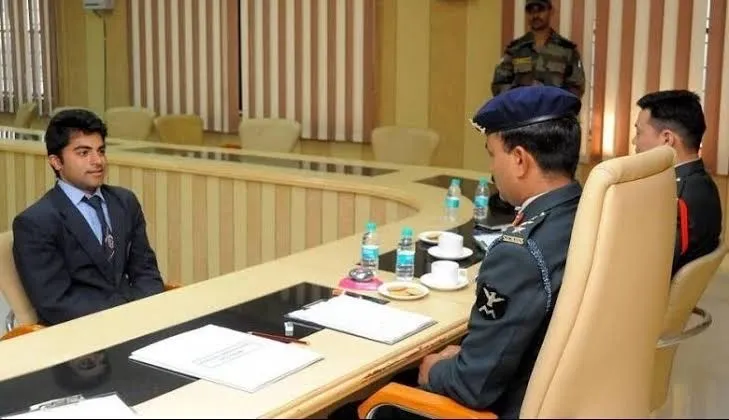
Rejection in SSB Interview
The SSB interview is one of the toughest exams. Although many aspirants clear the written exam, they fail in the SSB interview. SSB interview rejections can stem from various factors, including a lack of self-awareness, poor communication skills, and an inability to demonstrate Officer-Like Qualities (OLQs). Additionally, issues like weak English, inadequate grasp of subjects, and unrealistic or overly rehearsed responses can contribute to rejection. Understanding the SSB procedure, preparing for each stage, and demonstrating genuine qualities are crucial for success. So, let’s discuss the primary reasons for the rejection in SSB.
1. Lack of Consistency Across All Stages
One of the primary reasons for rejection during the Conference round is the lack of consistency in the candidate’s performance across all the stages of the SSB process. The selection process is designed to test a candidate’s abilities in various areas, such as leadership, communication, physical fitness, and problem-solving skills.
If a candidate excels in one task but fails to demonstrate the same level of competence in another, assessors might question the candidate’s consistency. For instance, a candidate might perform exceptionally well in the Psychological Tests or Group Discussion but may struggle to manage the physical tasks during the GTO tasks. In such cases, the assessors might feel that the candidate lacks the overall qualities required to become an officer, leading to rejection in the Conference round.
2. Inability to Display Officer-Like Qualities (OLQs)
The Services Selection Board assesses candidates for Officer-Like Qualities (OLQs) — a set of qualities and attributes that are deemed essential for an individual to function effectively as an officer in the Armed Forces. These qualities include leadership, adaptability, decision-making skills, team spirit, mental toughness, communication skills, and emotional stability. If a candidate fails to demonstrate these qualities during the various tasks — particularly in the GTO and Personal Interview stages — it is likely to be a major reason for rejection.
Candidates who fail to exhibit leadership under stress, struggle with taking responsibility, or show signs of indecisiveness may be eliminated, as these qualities are crucial for a successful career in the Armed Forces. During the Conference round, all the assessors deliberate on whether the candidate has demonstrated a consistent display of OLQs. If there are doubts about the candidate’s leadership potential, confidence, or ability to handle the stress and responsibilities of military life, the rejection is inevitable.
3. Poor Psychological Test Performance
The Psychological Tests, conducted by the Psychologist during the SSB interview, evaluate the mental and emotional state of the candidate. These tests assess personality traits, problem-solving abilities, and coping mechanisms in stressful situations. The tests include thematic apperception tests (TAT), word association tests (WAT), situation reaction tests (SRT), and self-description tests. If a candidate’s responses in these tests indicate negative traits like a lack of emotional stability, high levels of anxiety, a tendency toward aggression, or poor decision-making, it raises red flags for the assessors.
The Psychologist carefully analyses these responses, and the results are shared with the other assessors during the Conference round. A candidate who exhibits poor emotional intelligence, is overly reactive to stress, or shows an inability to handle complex situations may be deemed unsuitable for the Armed Forces. In such cases, despite performing well in the other tasks, the candidate might be rejected during the Conference round due to psychological reasons.
4. Inadequate Performance in Group Activities
Group tasks are a critical component of the SSB process, as they evaluate how a candidate works in a team and their ability to contribute positively to group dynamics. In tasks like Group Discussions, Group Planning Exercises (GPE), and Outdoor Group Tasks (OGTs), assessors are closely observing how the candidate interacts with others, demonstrates leadership, cooperates, and resolves conflicts. A candidate’s inability to work effectively in a group, poor communication skills, or an over-dominant or passive attitude could lead to rejection.
For instance, if a candidate is overly aggressive, dismisses others’ ideas, or lacks the ability to collaborate with teammates, they may not be considered suitable for the Armed Forces, which values teamwork and collaboration. Moreover, if a candidate consistently isolates themselves from group discussions or group tasks, it may signal a lack of adaptability and inability to work in a diverse and challenging environment, both of which are crucial traits for an officer in the military.
5. Physical Fitness and Stamina Issues
Physical fitness is of paramount importance in the Armed Forces, and candidates are rigorously tested on their physical abilities during the SSB. The GTO tasks, such as obstacle courses, group discussions, and individual tasks, assess the candidate’s physical endurance, stamina, and overall fitness. During the Conference round, assessors may compare the candidate’s physical performance with the expectations for an officer in the Armed Forces.
A candidate who fails to perform well in the physical tasks may be considered unfit for the military lifestyle, which often requires physical endurance and resilience. While slight shortcomings in physical performance may not result in outright rejection, significant deficiencies in physical fitness can raise concerns about the candidate’s ability to handle the demands of an officer’s role in the Armed Forces. In such cases, rejection in the Conference round is likely.
6. Inability to Handle Stress or Pressure
Officers in the Indian Armed Forces are expected to function effectively under stressful and high-pressure conditions. Throughout the SSB, candidates are tested in simulated stressful situations, whether in the form of time-bound tasks or group interactions. Candidates who struggle to manage their emotions, experience extreme anxiety, or break down under pressure during these assessments are unlikely to make it through the Conference round.
Stress management is a critical component of military life, and the SSB assessors are trained to identify those who can stay calm and composed in challenging situations. If a candidate displays excessive nervousness, indecisiveness, or an inability to adapt to high-pressure situations, it will impact their chances of being selected as a future officer.
7. Poor Personal Interview Performance
The Personal Interview, conducted by the Interviewing Officer (IO), is another key component of the SSB. The IO assesses a candidate’s personality, motivation, background, and future aspirations. While the IO conducts a one-on-one interaction with the candidate, they also consider the overall performance of the candidate in other stages, such as the GTO and Psychological Tests. A candidate who lacks clarity in their responses, is unable to articulate their thoughts, or gives vague or contradictory answers may be seen as lacking maturity, decision-making capabilities, or self-awareness.
The IO also looks for genuine interest in the Armed Forces, and candidates who fail to express their motivation or who seem to be pursuing a career in the military for the wrong reasons might not make it through the Conference round. Additionally, candidates who exhibit any form of dishonesty, arrogance, or a lack of respect toward the interview panel may also face rejection, as these traits do not align with the core values of military leadership.
8. Lack of Motivation or Passion for Joining the Armed Forces
The selection process in the SSB is not only about assessing the candidate’s abilities but also their commitment to the profession. Military officers are expected to be motivated, disciplined, and dedicated to serving the country. Candidates who lack enthusiasm or seem disinterested in the career they are applying for may be rejected in the Conference round. If a candidate cannot provide clear and compelling reasons for wanting to join the Armed Forces, assessors might feel that the candidate is not fully committed to the values of service, leadership, and sacrifice, which are essential for officers in the military.
9. Failure to Demonstrate Strong Decision-Making Skills
One of the most important qualities required of a military officer is the ability to make sound decisions quickly and effectively, particularly under pressure. If a candidate fails to demonstrate this ability during the Group Tasks, GTO tasks, or even in the Interview stage, they are unlikely to make it past the Conference round. Officers in the Armed Forces are often called upon to make critical decisions that impact not just their lives but the lives of their team members and the nation. If a candidate demonstrates poor judgment, an inability to think on their feet, or a lack of confidence in their decision-making abilities, it may be seen as a significant flaw, leading to rejection at the Conference.
10. Lying
Interviewing officers are taught to act polite and charming to you in order to get the maximum information from you. Officers conducting interviews are very intelligent and experienced individuals. Consider your options carefully before lying or faking about anything in front of your interviewer. He’ll catch on to your falsehood or identify your false responses sooner or later. As a result, you will be rejected.
Rejection in the SSB can be disheartening, but it is crucial for candidates to understand that it is not a reflection of their abilities as a whole. The SSB is an intense and comprehensive process designed to evaluate candidates from multiple angles, and rejection is often due to specific areas where the candidate failed to meet the required standards. Candidates who are rejected in the SSB should take the opportunity to reflect on their performance, identify areas for improvement, and work on enhancing their leadership qualities, physical fitness, stress management, and decision-making abilities. The SSB process is highly competitive, and persistence, combined with focused self-improvement, can lead to success in subsequent attempts. Ultimately, the Armed Forces are looking for individuals who can lead, make critical decisions under pressure, and inspire others with their courage, discipline, and commitment to service. By improving in the areas outlined above, candidates can enhance their chances of being selected in future attempts and ultimately realize their dream of serving the nation as an officer in the Indian Armed Forces.

Join the Centurion SSB Course
Centurion Defence Academy in Lucknow and Dehradun offers a comprehensive 21-day SSB (Services Selection Board) interview preparation course. This course is designed to help candidates prepare for all stages of the SSB interview, including screening tests, psychological assessments, GTO (Ground Task Officer) tasks, and personal interviews. Centurion is known for its experienced SSB panel, which includes retired officers from the Indian Armed Forces. Here’s a breakdown of what the Centurion SSB course includes:
Comprehensive Guidance:
The course covers all aspects of the SSB interview, including screening tests (OIR and PP&DT), psychological tests, GTO tasks, and personal interviews.Experienced Faculty:
The institute is led by a team of experienced SSB trainers, including retired officers from the Indian Armed Forces, and DIPR-trained assessors.Holistic Approach:
Centurion focuses on developing the necessary OLQs (Officer Like Qualities) in candidates, including competence, team spirit, leadership, and social adaptability.Personalized Feedback:
The academy provides individual guidance and personalized feedback to help candidates improve their performance.Infrastructure:
Centurion boasts India’s largest GTO ground with 165+ obstacles and well-equipped facilities for physical fitness training.Additional Services:
Centurion also provides additional guidance for the written exams (NDA, CDS, AFCAT, MNS+NEET), as well as personality development and physical robustness training.Online Option:
Centurion also offers an online SSB guidance program through their digital platform.
Recent Posts
-

NDA & CDS 2027:…
September 18, 2026
-
NDA SSB Personal Interview…
September 17, 2026
-
Top 30 GD &…
September 16, 2026
-
NDA 2 2026 Written…
September 15, 2026
-
NDA-2 2026 Paper Analysis…
September 14, 2026



Leave Comment